
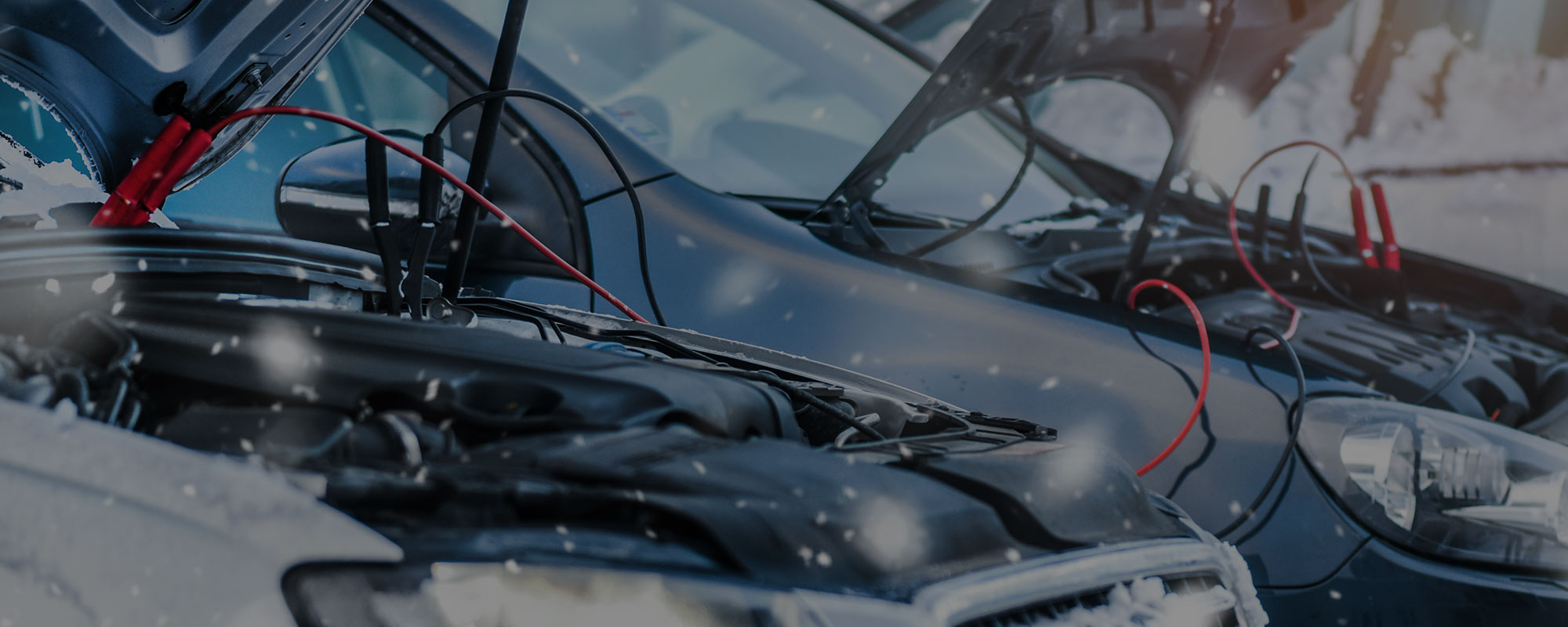
Car Battery Myths and Facts: What Drivers Should Really Know
Car Battery Myths and Facts: What Drivers Should Really Know
Car batteries are among the most essential—and most misunderstood—components of modern vehicles. Over the years, numerous myths have circulated, often leading to wrong choices, unnecessary expenses, or avoidable breakdowns. Below, we debunk the most common misconceptions and explain what’s actually true.
Myth 1: “Long highway drives keep the battery in perfect condition.”
Fact: Long trips help the alternator fully recharge the battery, but they don’t stop natural aging. Even under ideal conditions, a battery lasts about 3–5 years. Heat, cold, short daily trips, and the increasing electrical demands of modern cars also impact its lifespan.
Myth 2: “A good charge can make any battery like new again.”
Fact: Charging can revive a slightly discharged battery, but it cannot fix internal wear. If voltage drops frequently or the battery struggles during cold starts, a charger will only provide a temporary improvement. Once the internal plates begin to deteriorate, replacement is the only reliable solution.
Myth 3: “All batteries are the same—just choose one with more Ah.”
Fact: Bigger is not always better. A battery must match your vehicle’s specifications, including cold cranking amps (CCA), physical size, and technology type (conventional, EFB, or AGM). Choosing a battery with higher Ah than recommended may cause improper charging and long-term issues.
Myth 4: “AGM batteries are the best option for every vehicle.”
Fact: AGM batteries are excellent for cars with start/stop systems or high electrical consumption. But they’re not ideal for every vehicle. If your car doesn't require AGM technology, a high-quality EFB or conventional battery might be more appropriate and more cost-effective.
Myth 5: “Cold weather destroys batteries—summer has little effect.”
Fact: Cold weather makes it harder for engines to start, revealing weaknesses in the battery. But most battery damage actually happens in the summer. High temperatures accelerate fluid evaporation and plate degradation. That’s why many failures occur later, during fall or early winter.
Myth 6: “If I don’t use the car, the battery stays fresh.”
Fact: Modern cars consume small amounts of power even when turned off, due to electronics that remain active. If the vehicle sits unused for long periods, the battery gradually discharges. In such cases, a maintenance charger is highly recommended to prevent deep discharge and premature failure.
How to Know Your Battery Is Reaching the End
-
Slow or difficult engine start, especially in the morning
-
Headlights dimming noticeably
-
Warning lights flickering on the dashboard
-
Electronics behaving unpredictably
A simple voltage test or a load test can help diagnose early signs of failure before you get stranded.
Conclusion
Understanding what’s true and what’s not about car batteries can save drivers time, money, and frustration. By ignoring common myths and focusing on proper maintenance and correct battery selection, you can significantly extend the life of your vehicle’s electrical system and avoid unnecessary breakdowns.